
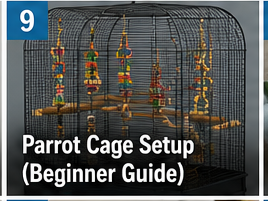
buy parrots cage Choosing the right cage is one of the most important decisions you will make when caring for a small parrot. A cage is not just a place to keep your bird—it is their home, playground, sleeping area, and safe space. That is why selecting the right parrot cage setup is essential for your bird’s health, happiness, and behavior.
If you are planning to buy parrot cage options for budgies, cockatiels, lovebirds, or conures, understanding the correct bird cage size, materials, and design will help you avoid common beginner mistakes.
In this 2026 guide, we will explore the best bird cages, ideal sizes, safety tips, and what features to look for when choosing a cage for small parrots.
Why Cage Choice Matters for Small Birds
Small parrots are active, intelligent, and highly social. Even though they are small in size, they require a lot of space and stimulation.
Benefits of a Good Cage
- Prevents stress and boredom
- Supports natural movement and exercise
- Reduces feather plucking behavior
- Improves mental health
- Extends lifespan
- Encourages better behavior and talking ability
A poor cage setup can lead to serious health and behavioral problems.
Ideal Bird Cage Size for Small Parrots
One of the most important factors when choosing a cage is the bird cage size.
Small parrots need horizontal flying space more than height.
Recommended Cage Sizes
| Bird Type | Minimum Size | Ideal Size |
|---|---|---|
| Budgie | 18” x 18” x 18” | 30” x 18” x 18” |
| Cockatiel | 20” x 20” x 24” | 30” x 24” x 24” |
| Lovebird | 18” x 18” x 24” | 30” x 24” x 24” |
| Conure | 24” x 24” x 30” | 30” x 30” x 36” |
👉 Bigger is always better. A cage should allow your bird to fully stretch its wings without touching the bars.
Research shows that horizontal space is more important than height because small parrots naturally fly side-to-side, not up and down.
Key Features of the Best Bird Cages
When choosing the best bird cages, focus on safety, comfort, and durability.
1. Strong and Safe Materials
Best materials include:
- Powder-coated steel
- Stainless steel
Avoid cages with:
- Rust
- Flaking paint
- Weak plastic parts
Birds chew everything, so safety is critical.
2. Proper Bar Spacing
Bar spacing prevents escape or injury.
Safe Spacing Guide
- Small birds: 0.4–0.6 inches
- Medium small parrots: up to 0.75 inches
Too wide = risk of escape or head injury.
3. Easy Cleaning Design
A good cage should include:
- Slide-out trays
- Removable grates
- Easy-access doors
Clean cages reduce disease risk.
4. Multiple Access Doors
Birds that are handled often need:
- Front door access
- Side doors for feeding
- Large main door for cleaning
5. Horizontal Space Priority
Always choose wider cages over tall narrow ones.
Small parrots use horizontal flight more than vertical climbing.
Essential Parrot Cage Setup
A good parrot cage setup includes more than just the cage itself.
Must-Have Items
Perches
- Natural wood perches (best option)
- Different thickness levels
- Rope perches for exercise
Food and Water Bowls
- Stainless steel recommended
- Easy to clean
- Placed away from droppings
Toys
- Chew toys
- Puzzle toys
- Hanging toys
- Foraging toys
Rotate toys weekly to prevent boredom.
Best Cage Placement in Your Home
Where you place the cage affects your bird’s mood.
Best Locations
- Living room (social environment)
- Bright but indirect light area
- Near family activity
Avoid
- Kitchen (fumes risk)
- Bathrooms (humidity)
- Dark isolated rooms
Parrots are social animals and need interaction.
How to Buy a Parrot Cage (Beginner Tips)
If you want to buy parrot cage options, follow these tips:
1. Choose Bigger Than Minimum Size
Always upgrade size if possible.
2. Check Bar Spacing Carefully
Safety first—especially for small birds.
3. Avoid Cheap Weak Materials
Low-quality cages break easily and may harm birds.
4. Look for Cleaning Convenience
Easy cleaning saves time and keeps birds healthy.
5. Think Long-Term
A cage is a long-term investment, not a temporary purchase.
Common Mistakes When Choosing Bird Cages
1. Buying Too Small Cages
Small cages cause stress and health issues.
2. Choosing Height Over Width
Width is more important for flying.
3. Ignoring Bar Spacing
Incorrect spacing can be dangerous.
4. Not Planning for Toys
Parrots need mental stimulation daily.
5. Using Kitchen or Unsafe Locations
Environmental toxins can harm birds.
Beginner-Friendly Cage Setup Example buy parrots cage
A simple parrot cage setup for small birds:
Layout
- Two natural wood perches at different heights
- One rope perch for exercise
- One food bowl + one water bowl
- 2–4 rotating toys
- Swing in center area
- Bottom tray with easy-clean liner
This setup keeps birds active and entertained.
Indoor vs Outdoor Cages
Indoor Cages
- Safer from predators
- Better temperature control
- Easier interaction
Outdoor Aviaries
- More flying space
- Natural sunlight
- Requires predator protection
Indoor cages are recommended for beginners.
How Cage Setup Affects Behavior
A well-designed cage improves behavior significantly.
Positive Effects
- Less screaming
- Better bonding
- Reduced feather plucking
- Increased activity
- Better talking ability
A poor cage leads to stress and boredom.
Maintenance Tips for Bird Cages
Daily Tasks
- Replace water
- Remove leftover food
- Quick wipe-down
Weekly Tasks
- Deep clean perches
- Wash toys
- Replace liners
Clean cages = healthy birds. buy parrots cage
Signs Your Cage Is Too Small
Watch for these warning signs:
- Constant cage biting
- Feather plucking buy parrots cage
- Restlessness
- Loud screaming
- Lack of movement
If you notice these, upgrade cage size immediately.
Final Buying Advice buy parrots cage
When choosing the best bird cages, always prioritize:
- Bigger cage size
- Safe materials
- Proper bar spacing
- Horizontal flight space
- Easy cleaning design
A well-chosen cage is not just equipment—it is your bird’s entire world.
Frequently Asked Questions
What is the best cage for small parrots?
The best cages are wide, safe, and made from stainless steel or powder-coated metal with proper bar spacing. buy parrots cage
How big should a small bird cage be?
At least 30 inches wide is recommended for most small parrots for comfort and flight space.
Can I keep a parrot in a small cage?
It is not recommended. Small cages cause stress and health issues over time.
How often should I clean a bird cage?
Light cleaning daily and deep cleaning weekly is ideal.
Where should I place a parrot cage?
In a bright, social area like the living room, away from kitchen fumes and drafts.
Final Thoughts
A proper parrot cage setup is one of the most important parts of bird ownership. Whether you are a beginner or experienced bird keeper, choosing the right cage size and design will directly affect your bird’s happiness and health.
If you are planning to buy parrot cage options, always focus on safety, space, and stimulation. The best bird cages are not just about appearance—they are about giving your feathered friend a comfortable, enriching home where they can thrive for many years.