Introduction to African Crows
African Crow s are among the most intelligent and adaptable birds found across the African continent. Known for their sharp memory, problem-solving skills, and complex social behavior, African Crows belong to the Corvid family — one of the smartest bird families in the world.
From busy cities to rural savannas, African Crows have successfully adapted to diverse environments. Their ability to survive in harsh climates and urban settings makes them fascinating birds for bird watchers, researchers, and wildlife enthusiasts.
In this complete guide, we explore everything you need to know about African Crows — including species types, habitat, diet, intelligence, reproduction, and whether they can be kept as pets.
What Are African Crows?
African Crows are members of the genus Corvus, which includes crows, ravens, and rooks. They are medium-to-large birds characterized by:
They are social birds that often live in family groups or large communal roosts.
African Crows play an important role in ecosystems by controlling insect populations and cleaning up carrion.
Common Species of African Crows
Africa is home to several crow species. Below are the most recognized African Crows:
1. Cape Crow (Corvus capensis)
The Cape Crow is found primarily in southern Africa. It is entirely black and slightly smaller than other crow species.
Key Features:
2. Pied Crow (Corvus albus)
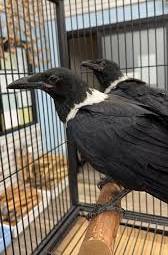
The Pied Crow is one of the most common African Crows. It has a distinctive black body with a white chest and neck.
Key Features:
The Pied Crow is often mistaken for a raven because of its size.
3. Somali Crow (Corvus edithae)
Found in the Horn of Africa, the Somali Crow prefers dry environments.
Key Features:
4. White-necked Raven (Corvus albicollis)
Although technically a raven, it is often grouped among African Crows due to similar characteristics.
Key Features:
-
Large size
-
White patch on neck
-
Powerful beak
Habitat of African Crows
African Crows are highly adaptable and can live in:
-
Savannah grasslands
-
Urban cities
-
Coastal areas
-
Desert regions
-
Farmlands
Their adaptability is one reason African Crows are widespread across the continent.
In cities, they are often seen near markets, dumpsites, and rooftops where food is available.
Intelligence and Behavior of African Crows
One of the most fascinating aspects of African Crows is their intelligence.
Studies on corvids worldwide show that they can:
African Crows display similar behaviors. They are known to drop hard nuts onto roads so vehicles can crack them open. They also learn routines in urban environments.
Social Structure
African Crows are social birds. They communicate through:
-
Loud calls
-
Body language
-
Cooperative feeding
They often warn each other of predators and share information about food sources.
What Do African Crows Eat?
African Crows are omnivores. Their diet includes:
Animal-Based Food
-
Insects
-
Small reptiles
-
Eggs
-
Carrion
-
Rodents
Plant-Based Food
-
Fruits
-
Seeds
-
Grains
-
Agricultural crops
In urban areas, African Crows also consume human food waste.
Their opportunistic feeding habits help them survive in different environments.
Breeding and Reproduction
African Crows typically breed once per year.
Nesting Habits:
-
Build nests in tall trees or utility poles
-
Use sticks, grass, and debris
-
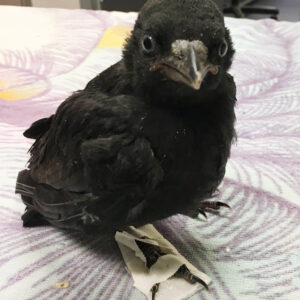
Both parents help raise chicks
Eggs:

Reviews
There are no reviews yet.